


ZHENGZHOU/LEDONG, China — In the tropical fields of south China’s Hainan Province, researchers from Henan Agricultural University are continuing a scientific practice that has helped shape the course of modern Chinese crop breeding for seven decades.
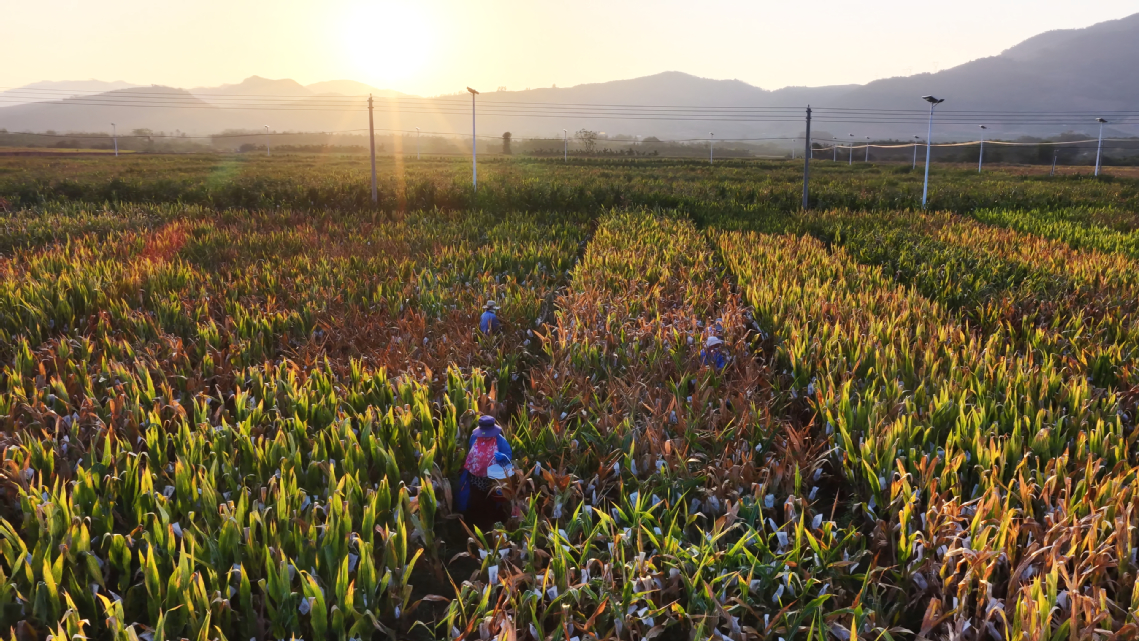
Known as Nanfan, the practice involves moving breeding materials from northern China to the country’s south during winter, where warmer temperatures allow additional planting cycles each year. The approach significantly shortens breeding time and has become a cornerstone of China’s seed innovation system.
The idea can be traced back to 1956, when Chinese maize geneticist Wu Shaokui put forward the theory of off-season breeding in southern regions. His research demonstrated that breeding materials from northern China could be advanced in the south while maintaining stable genetic traits, laying the theoretical foundation for large-scale Nanfan breeding.
Since then, generations of agricultural scientists from Henan have traveled between central China and Hainan, working across seasons to accelerate crop improvement. What once took 8 to 10 years can now, in some cases, be completed in as little as 3 to 4 years.
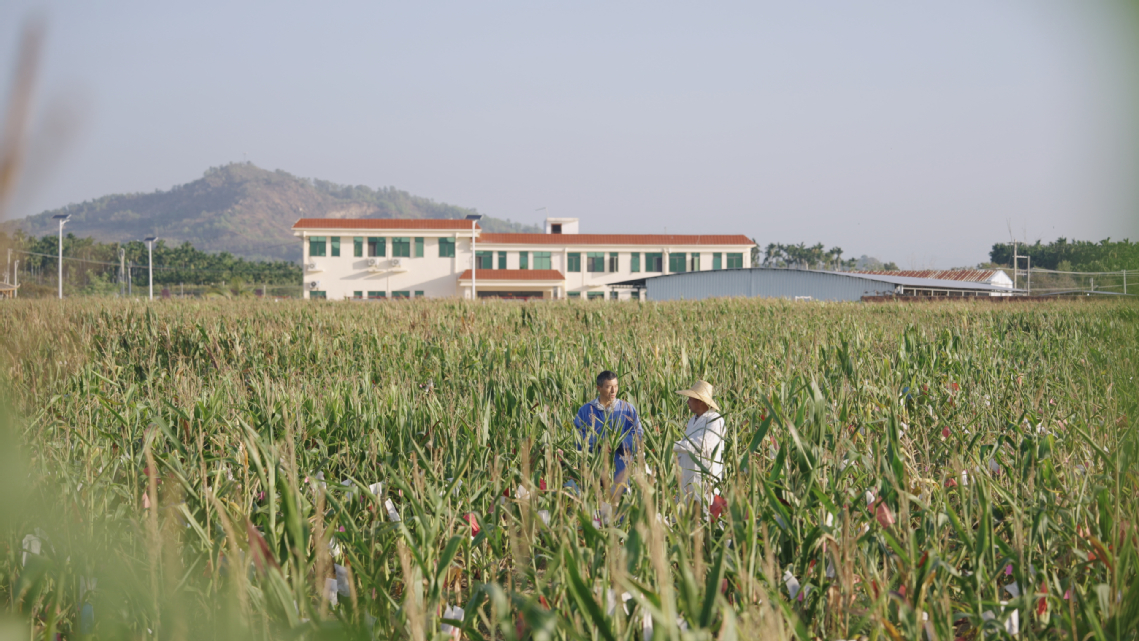
Their work has contributed to the development of a series of high-performing crop varieties and helped strengthen China’s national seed industry. Today, more than 70 percent of the country’s major crop varieties have benefited from Nanfan-based breeding and selection.
Among the leading researchers is Tang Jihua, a maize breeder at Henan Agricultural University, who has spent more than 30 years working in Hainan. His team developed MY73, a maize variety planted on more than 20 million mu annually. The variety has helped increase planting density and raise yields, contributing to higher grain output on a large scale.
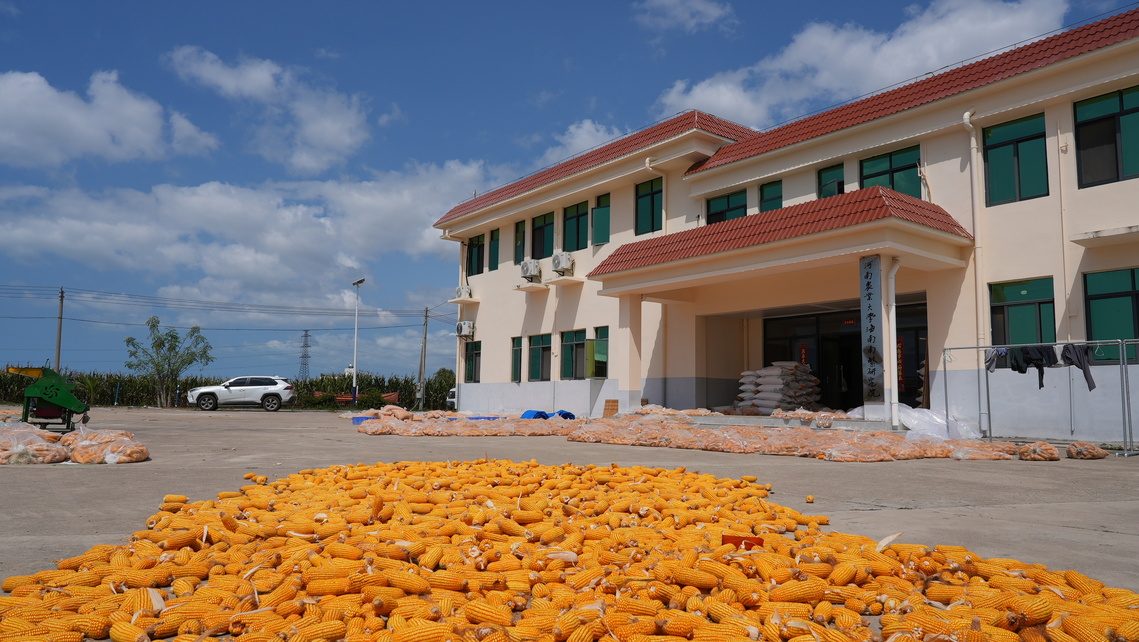
Behind such breakthroughs is a long tradition of field-based research. Earlier generations of breeders worked under harsh conditions, facing typhoons, flooding, pests and limited infrastructure. Yet they remained committed to the belief that faster breeding would be essential to improving food production.
That spirit continues today. Researchers are now combining Nanfan breeding with modern genomic tools to address challenges such as heat stress, disease resistance and yield improvement. This shift is helping move crop breeding in China from experience-driven selection toward more precise, design-based innovation.
From Hainan’s tropical breeding bases to the grain-producing plains of central China, the 70-year Nanfan journey reflects both scientific persistence and the growing role of Henan in China’s drive to strengthen agricultural technology and food security.


